
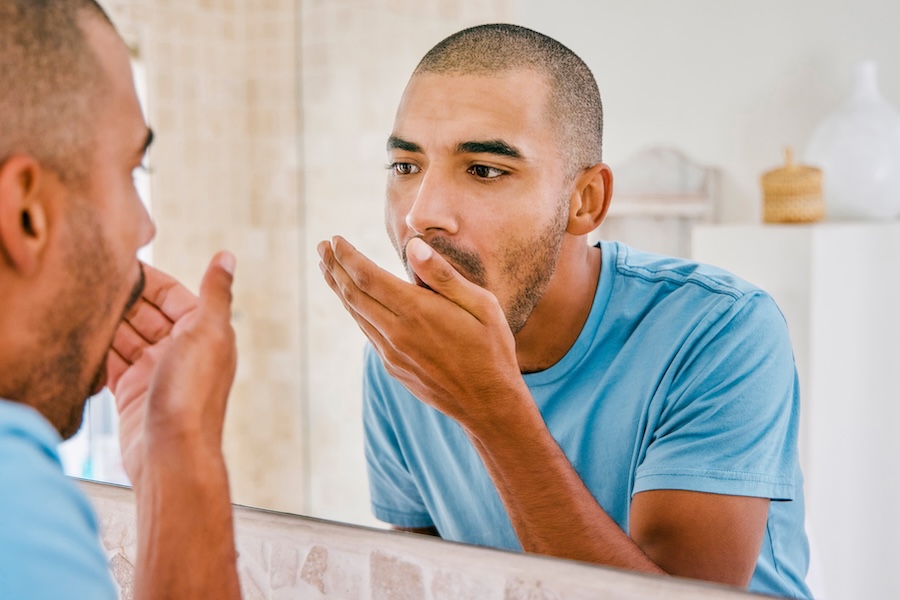
Why Your Breath Still Smells Bad After Brushing
October 11, 2026 9:00 amYou brush, rinse, and head out with a minty taste, only to notice the same bad breath again later. By then, another rinse may feel like the obvious next step. When bad breath after brushing keeps returning, we look for the buildup, dryness, or dental problem the toothpaste hasn’t addressed.
At Windmill Dental in Amarillo, Texas, we can check the places that are easy to miss at home. Dr. Austin A. Whetten examines the teeth, gums, tongue, and dental work, along with any symptoms of dry mouth. From there, we can show you how to clean a missed area, treat a tooth or gum problem, or recommend medical follow-up if the cause extends beyond the mouth.
Cleaning Your Tongue
The tongue has a textured surface where bacteria and debris collect. So even after you’ve cleaned every tooth, buildup on the tongue can keep producing odor as bacteria break it down. Gentle tongue cleaning reaches that surface without the hard scraping that can leave it sore.
Gentle tongue cleaning may help remove some of that buildup. Use a soft brush or tongue cleaner with light pressure, following the method we recommend. Scraping harder can irritate the tissue without treating another source of odor.
If the tongue looks unusually coated or feels sore, we can check it during the exam. A soft brush may help ordinary buildup, while a persistent change can need treatment. Scraping a painful patch harder can irritate it, so keep the pressure gentle until we’ve looked at it.
Cleaning Between Teeth
A toothbrush can leave the front surfaces feeling smooth while missing plaque between teeth. Food in those spaces gives bacteria more material to break down, which can contribute to odor. That’s why we include between-teeth cleaning when helping you work on bad breath that returns after brushing.
Clean between teeth daily with floss or another tool that fits the space. Curve floss along each tooth rather than snap it straight into the gum. For wider gaps or spaces around dental work, we can show you how to use a small between-teeth brush or another tool.
If food packs beside the same tooth after every meal, there may be more to fix than the cleaning technique. A rough filling, a gap between teeth, or a gum pocket can keep collecting food. We check what is creating that trap and explain whether an adjustment, repair, or gum treatment could help.
Gum Disease May Produce Persistent Odor
Plaque is a biofilm, a layer of bacteria that attaches to tooth surfaces. When it collects along and beneath the gums, the body reacts to it with inflammation—redness, swelling, and sometimes bleeding. In periodontitis, that ongoing response can damage the attachment and bone around teeth, creating deeper pockets where bacteria keep collecting.
If your gums bleed or a bad taste keeps coming back, we check for buildup along and beneath the gumline. Gum disease can also progress while eating still feels comfortable. We measure the pockets around your teeth and check the supporting bone so we can explain how much care those areas need.
For gingivitis, professional cleaning and more thorough plaque removal at home can help the gums recover. If periodontitis has created deeper pockets, we may recommend scaling and root planing to remove plaque and tartar along the roots and reduce inflammation. Pockets around 4-5 millimeters or deeper are difficult to clean fully with a toothbrush and floss at home. After treatment, periodontal maintenance often continues every three to four months to remove returning buildup and help preserve the support that remains.
Dry Mouth Can Make Odor More Persistent
Saliva keeps the mouth moist and washes away loose food. When there’s less of it, bacteria and residue can linger, leaving your mouth feeling stale even after cleaning. You may notice it on waking, after talking for a long time, or when you need water to swallow a dry piece of toast.
Some medicines reduce saliva, and sleeping with your mouth open can leave it dry by morning. At the visit, include when the dryness started and any recent medication or health changes. We can discuss saliva substitutes, dental protection, and whether your medical provider should review a possible cause.
Water can ease the dry feeling, although you may need another sip soon afterward. We may recommend a saliva substitute or, if you can chew comfortably, sugar-free gum to encourage more saliva. Keeping a sweet drink nearby for relief can add frequent sugar to the teeth, so we look for ways to improve comfort without increasing cavity risk.
Dental Work and Removable Appliances Need Cleaning
Plaque can gather near a crown margin or beneath a bridge. A rough edge or a contact that traps food may make that area harder to reach. If odor seems concentrated near one tooth, we can examine the restoration and the surrounding gum.
Removable dentures, retainers, and nightguards can also retain film. Clean them using the instructions for the specific appliance. A quick rinse may remove loose food while leaving attached buildup on the surface.
If the appliance still smells after cleaning, bring it and the products you use to your appointment. We can look for buildup in its grooves, worn surfaces, or a fit that lets food collect underneath. Then we can show you how to clean it or explain whether it needs an adjustment or repair.
Food, Reflux, and Other Possible Causes
After a garlicky meal, the smell can linger even when you’ve cleaned your teeth and tongue. Some compounds pass into the bloodstream and reach the air you breathe out, so another round of brushing won’t immediately remove them. Daily bad breath that continues with different meals gives us other causes to investigate.
Sinus problems, reflux, and other medical conditions can contribute as well. If we don’t find the cause in your mouth, we may recommend a visit with your healthcare provider to check those possibilities. Include any nasal symptoms, reflux, or changes in general health when discussing the problem.
Mouthwash can temporarily reduce or mask odor, depending on the product. We can recommend a rinse to accompany cleaning or treatment when it fits the cause. If a rinse increases dryness or irritation, check with us before continuing it.
Persistent Bad Breath Care in Amarillo
If you keep reaching for mouthwash because the smell returns after brushing, book a visit with our Windmill Dental team. Dr. Whetten can check for the source and explain which cleaning changes or treatment may help. Schedule in Amarillo, Texas, and let’s get beyond the minty taste to what’s causing the odor!
Categorized in: Bad Breath, Gum Health, Restorative Dentistry