
Root Canal Therapy in Amarillo: When Saving a Tooth Is Better Than Extraction
July 10, 2026 9:00 amTooth pain can follow you through the day in a very specific way. It may start as a dull ache while you are driving across town, then turn sharper when you bite into dinner or take a sip of coffee. By bedtime, the discomfort may be hard to ignore, especially if it keeps you from settling in or sleeping comfortably.
When a tooth keeps hurting, extraction can start to sound like the simplest answer. If the tooth is infected, cracked, or badly decayed, removing it may seem like the fastest way to be done with the problem. However, if the tooth still has enough healthy structure and support, root canal therapy may offer a better long-term path.
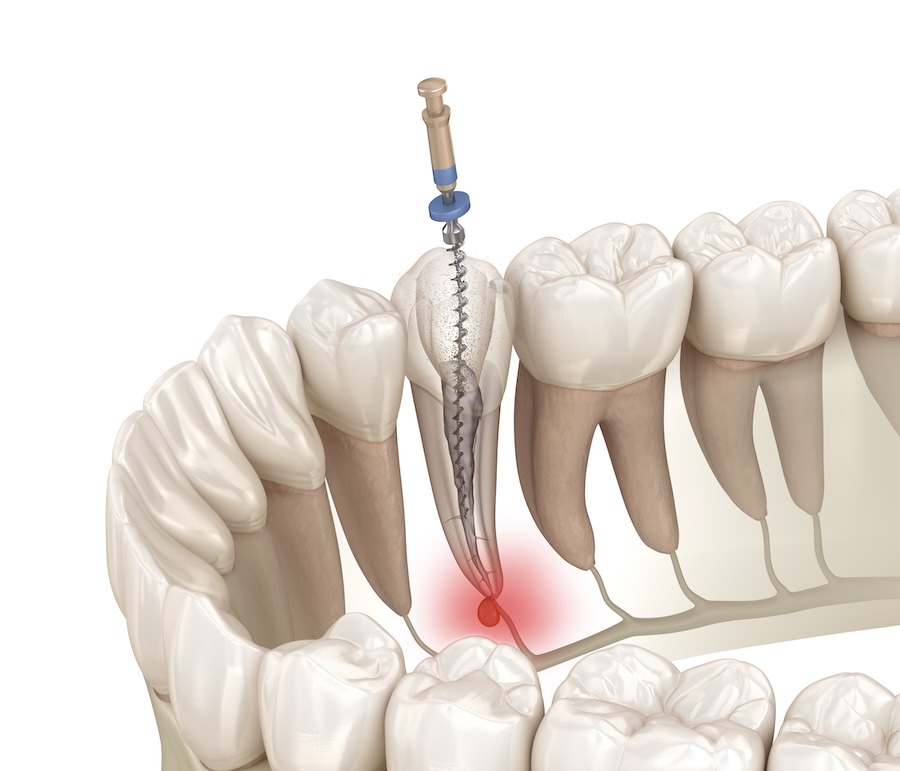
A root canal is used when the inside of the tooth is infected or badly irritated. Instead of removing the whole tooth, Dr. Austin A. Whetten cleans out the damaged tissue inside, seals the inner space, and restores the tooth so it can keep working in your bite.
At Windmill Dental in Amarillo, TX, Dr. Whetten can examine the tooth, review X-rays, and talk through whether root canal therapy or extraction makes more sense. In many cases, keeping the natural tooth helps protect chewing, spacing, and bite balance. Still, if the damage is too severe, extraction may be the more reliable option.
Why a Tooth May Need a Root Canal
A tooth has several layers. The outer enamel protects the tooth from daily chewing and temperature changes. Under that is dentin, which is softer and more sensitive. In the center is the pulp, where the nerves, blood vessels, and connective tissue are located.
The pulp can become inflamed or infected for several reasons. Deep decay may reach the center of the tooth. A crack may let bacteria travel inward. An injury may damage the nerve even if the tooth does not break. In other cases, decay can return around an old filling or crown and work its way deeper before it is noticed.
Once the pulp is infected, it usually cannot heal on its own. Antibiotics may help if swelling or infection is spreading, but they do not remove the damaged tissue inside the tooth. Because of that, pain or swelling can return if the source is not treated.
Root canal therapy removes the infected or inflamed pulp while keeping the tooth in place. After the inside is cleaned and sealed, the tooth often needs a crown or another restoration to protect it from everyday biting and chewing.
Signs a Tooth May Be Infected or Deeply Irritated
Not every toothache means you need a root canal. A tooth can feel sensitive because of gum recession, a small cavity, sinus pressure, clenching, or even a bite that is hitting unevenly. However, certain symptoms can point to a deeper problem inside the tooth.
Pain that lingers after hot or cold drinks is one example. A quick cold twinge may come and go within seconds. However, if the ache hangs around after the temperature is gone, the nerve may be irritated.
Pain when biting or chewing can also be a warning sign, especially when it seems to come from one tooth. You may notice it with crusty bread, meat, or anything that puts pressure on the tooth. Meanwhile, swelling near the gums, a pimple-like bump on the gum tissue, or a bad taste can suggest infection near the root.
At the same time, some infected teeth do not hurt much. The nerve may have died, and the infection may show up on an X-ray before the tooth causes major symptoms. Because of that, exams and X-rays can catch problems that are not obvious at home.
If a tooth has been bothering you for more than a day or two, or the pain is becoming harder to ignore, it is worth having it checked before the choices become more limited.
Why Saving a Natural Tooth Can Be Worth It
A natural tooth does more than fill a spot in your smile. It helps you chew, supports your bite, and keeps neighboring teeth in position. The root also helps maintain the bone in that area.
When a tooth is removed, the space does not always stay quiet. Nearby teeth can slowly shift or tip toward the gap. The tooth above or below the missing tooth may begin to move too, because it no longer has an opposing tooth to meet.
As a result, chewing patterns may gradually change. You might start favoring the other side without thinking about it, especially if the missing tooth is a molar. Over time, that extra pressure can affect certain teeth, fillings, crowns, or jaw muscles.
Replacing a missing tooth with an implant, bridge, or partial denture can work well. However, replacement often means additional planning, appointments, healing time, and cost. If the natural tooth can be treated and restored with a good outlook, root canal therapy may help avoid those extra steps.
Of course, not every tooth can or should be saved. The condition of the tooth, the amount of healthy structure left, the bone support, and the bite all play a role. Still, when saving the tooth is realistic, it is worth considering before moving straight to extraction.
When Root Canal Therapy May Be Better Than Extraction
Root canal therapy may be the better option when the tooth has enough healthy structure left, the root is stable, and the surrounding bone can support the tooth. In that situation, treating the infection and restoring the tooth may allow you to keep using it for years.
This can be especially important with molars. Back teeth handle much of the heavy chewing, and losing one can affect how food is broken down. When a molar can be saved and properly restored, it can continue helping your bite work more naturally.
Root canal therapy may also make sense when removing the tooth would create a visible gap or lead to a more involved replacement plan. For example, taking out one front tooth often means discussing an implant, bridge, temporary tooth, or another cosmetic solution.
In some cases, a root canal can be more conservative than extraction followed by replacement. The tooth stays in place, the jawbone continues to have a root in that area, and the bite may be easier to maintain.
During the exam, Dr. Whetten can compare the condition of the tooth with the likely replacement options if it were removed. That comparison can help you understand what each choice may involve now and later.
When Extraction May Be the Better Choice
Sometimes a tooth cannot be saved in a predictable way. If the tooth is cracked down into the root, has severe bone loss, or has very little healthy structure left above the gumline, a root canal may not provide a stable long-term result.
Extraction may also be recommended if the tooth is severely loose from gum disease or if decay has damaged the tooth so much that it cannot hold a crown. In those cases, removing the tooth may be the more realistic choice.
Cost, timing, and overall treatment goals can also play a role. Some patients need to compare the cost of root canal therapy and a crown with the cost of extraction and replacement. The lowest upfront cost is not always the lowest long-term cost, so it helps to look at both paths.
If extraction is needed, Dr. Whetten can discuss ways to replace the missing tooth when appropriate. Depending on the case, options may include a dental implant, bridge, or partial denture.
The decision should be based on the tooth’s condition, your oral health, and which option is most likely to hold up well. Rather than thinking of extraction as a failure, it may simply be the better treatment when the tooth no longer has enough support to keep.
What Happens During a Root Canal
Root canal therapy starts with numbing the tooth and the surrounding area. Once the tooth is numb, Dr. Whetten creates a small opening to reach the inside of the tooth.
The infected or inflamed pulp is removed from the canals inside the roots. Then the canals are cleaned, shaped, and disinfected. After that, the space is filled and sealed with a dental material.
In many cases, the tooth will need a crown afterward, especially if it is a back tooth or if a large filling or cavity weakened the structure. The crown helps protect the tooth from chewing forces and reduces the chance of cracking.
Some teeth can be treated in one visit, while others need more than one appointment depending on the infection, tooth anatomy, and restoration plan. Before treatment begins, Dr. Whetten can explain what your specific tooth needs and what the follow-up may look like.
After the appointment, the tooth may feel tender for a few days, particularly if there was infection or inflammation before treatment. That soreness usually comes from the surrounding tissues healing, not from the nerve inside the tooth.
Will a Root Canal Hurt?
Root canals have a rough reputation, but the treatment itself is meant to remove the source of tooth pain. The tooth is numbed before treatment begins, and the infected or irritated tissue inside is taken out.
If a tooth is very inflamed, it may take extra time or additional anesthetic to get fully numb. If you have had trouble getting numb in the past, mention that before treatment starts. Then, Dr. Whetten can check your comfort before moving forward.
During treatment, you may feel pressure or vibration, but you should not feel sharp pain. If something feels off, let the team know so they can pause and adjust.
After the appointment, the tooth may be sore when biting for a short time. This can happen when the tissues around the root were inflamed before treatment. As the area settles, that tenderness should start to improve. If pain gets worse, swelling develops, or the bite feels high, call Windmill Dental so the tooth can be checked.
Why a Crown Is Often Needed After a Root Canal
After root canal therapy, the tooth no longer has living pulp inside, but it still needs to handle chewing. Many teeth that need root canals already have large cavities, cracks, old fillings, or weakened enamel before treatment begins.
A crown helps protect the remaining tooth structure. It covers the tooth and helps distribute biting force more evenly. This is especially important for molars and premolars because they take heavier chewing pressure.
If a crown is recommended and never placed, the tooth may be more likely to crack. A root canal can treat the infection inside the tooth, but the outside still needs strength and protection.
For some front teeth, a filling may be enough if there is plenty of healthy structure left. For many back teeth, though, a crown is usually part of making the treatment last. Dr. Whetten can explain whether your tooth needs a crown and how soon it should be placed after root canal therapy.
What Happens if You Choose Extraction Instead?
Extraction removes the infected or damaged tooth. In some cases, that may be the right choice. However, it is important to understand what happens after the tooth is gone.
The immediate source of pain or infection may be removed, but the space remains. If the tooth is not replaced, nearby teeth can shift, the bite can change, and chewing may start to feel different. Bone in the area can also shrink over time because there is no longer a tooth root there.
Some people do fine for a while after losing a tooth, especially if it is farther back. Over time, though, the missing tooth can affect the surrounding teeth and the way the bite comes together.
Replacing the tooth may involve an implant, bridge, or partial denture. Those options can work well, but they require planning. An implant may need healing time and adequate bone. A bridge uses neighboring teeth for support. A partial denture is removable and may feel different from a fixed tooth replacement.
If extraction is being considered, it is worth discussing what comes next after the tooth is removed. The timing, replacement options, and risks of leaving the space open can all affect the long-term plan.
How X-Rays Help With the Decision
X-rays are a key part of deciding between root canal therapy and extraction. They can show the length and shape of the roots, bone levels around the tooth, signs of infection, and how deep decay may go.
A tooth may look broken on the surface but still have enough structure and bone support to be saved. Another tooth may look less dramatic but have a deep crack, severe bone loss, or infection that changes the recommendation.
X-rays also help Dr. Whetten see whether the root canal anatomy looks straightforward or more complex. Some teeth have curved roots, narrow canals, or previous dental work that affects treatment planning.
Pain level alone does not always tell the whole story. A tooth that hurts badly may still be savable, while a tooth that barely hurts may have a serious infection. X-rays give Dr. Whetten a closer look at the roots, bone, and depth of the problem before a recommendation is made. Because of that, it is better to have the tooth evaluated before assuming extraction is the only option.
What to Ask Before Deciding
If you are trying to choose between root canal therapy and extraction, it helps to ask direct questions. You do not need dental terminology to understand the tradeoffs.
You might ask:
- Is this tooth likely to be saved with a root canal?
- Would the tooth need a crown afterward?
- What happens if I remove the tooth instead?
- Would I need to replace the missing tooth?
- What are the replacement options?
- Is there a crack, bone loss, or decay that makes saving the tooth less predictable?
- How urgent is treatment?
These questions can help you compare more than the appointment in front of you. A root canal and crown may cost more than extraction upfront, but extraction may lead to replacement costs later. At the same time, if the tooth has a poor long-term outlook, saving it may not be the best use of time or money.
Dr. Whetten can walk through the likely outcome of each option based on the actual condition of the tooth.
Root Canal Therapy at Windmill Dental in Amarillo, TX
Root canal therapy can be a good option when a tooth is infected or deeply irritated but still has enough structure and support to be saved. By treating the inside of the tooth and restoring the outside, a root canal may allow you to keep your natural tooth instead of removing it.
At Windmill Dental in Amarillo, TX, Dr. Austin A. Whetten can evaluate your tooth, review your X-rays, and explain whether root canal therapy or extraction makes more sense for your situation. Call Windmill Dental to schedule a visit if you have tooth pain, swelling, lingering sensitivity, or a tooth you are worried may need to be removed.
Categorized in: Root Canal Therapy